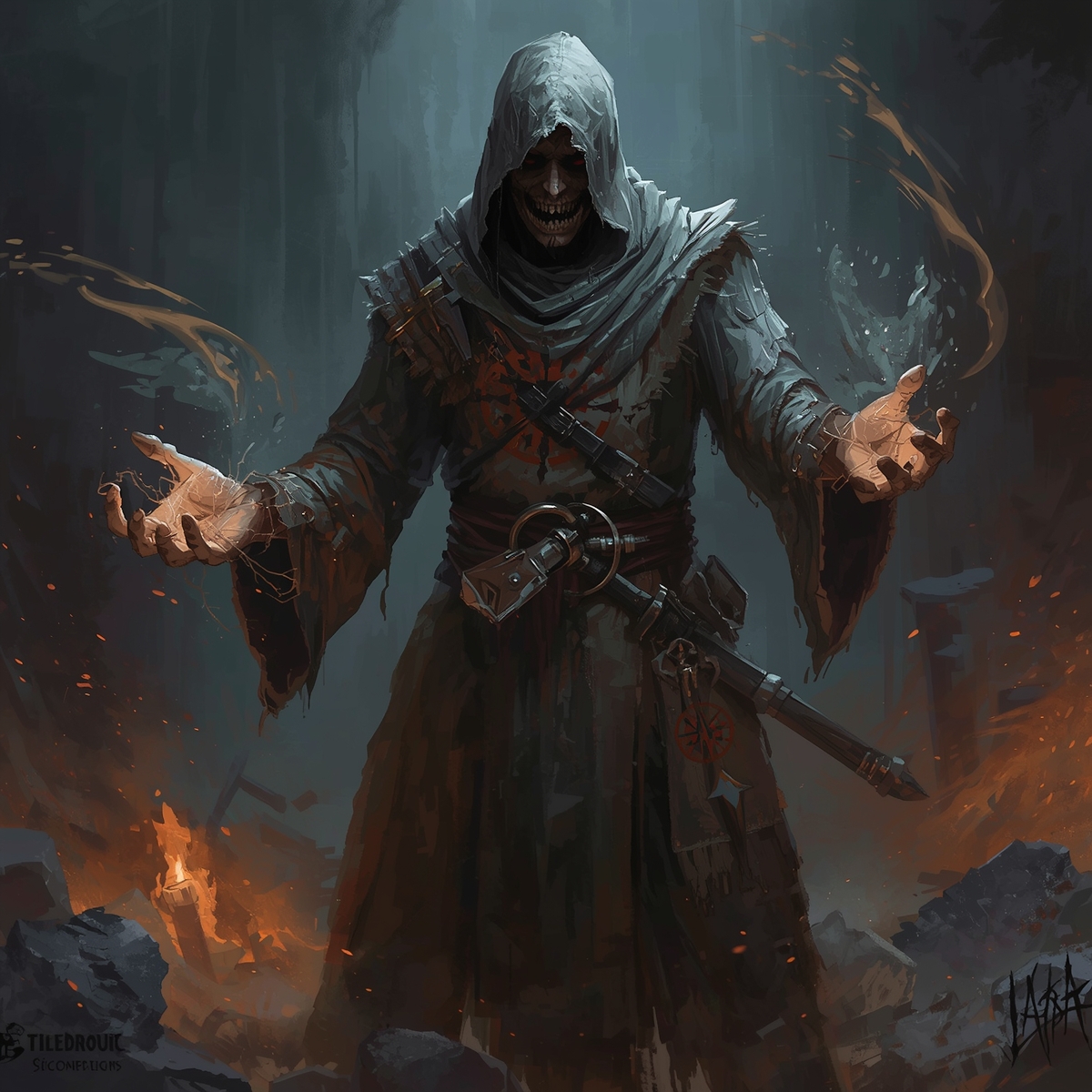
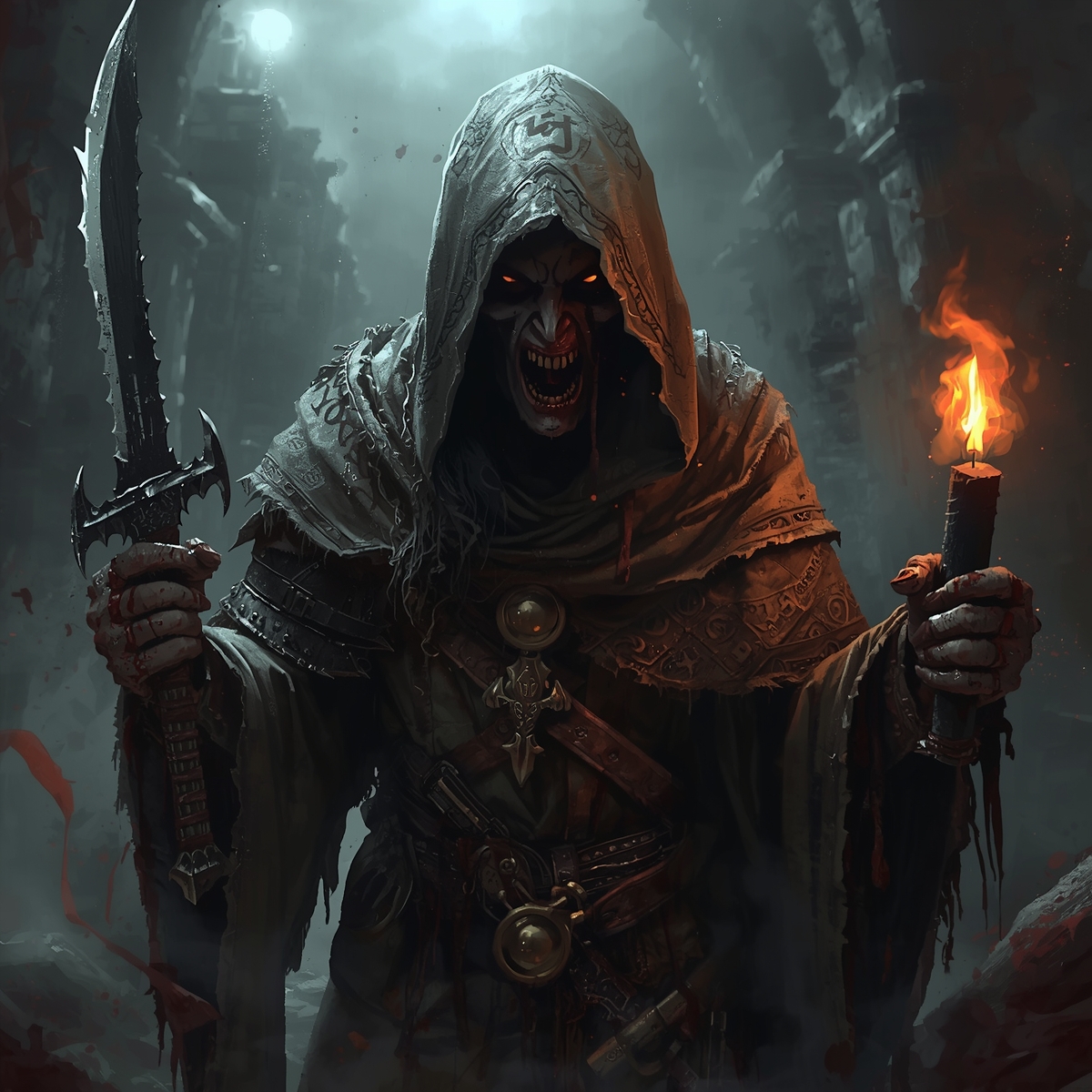
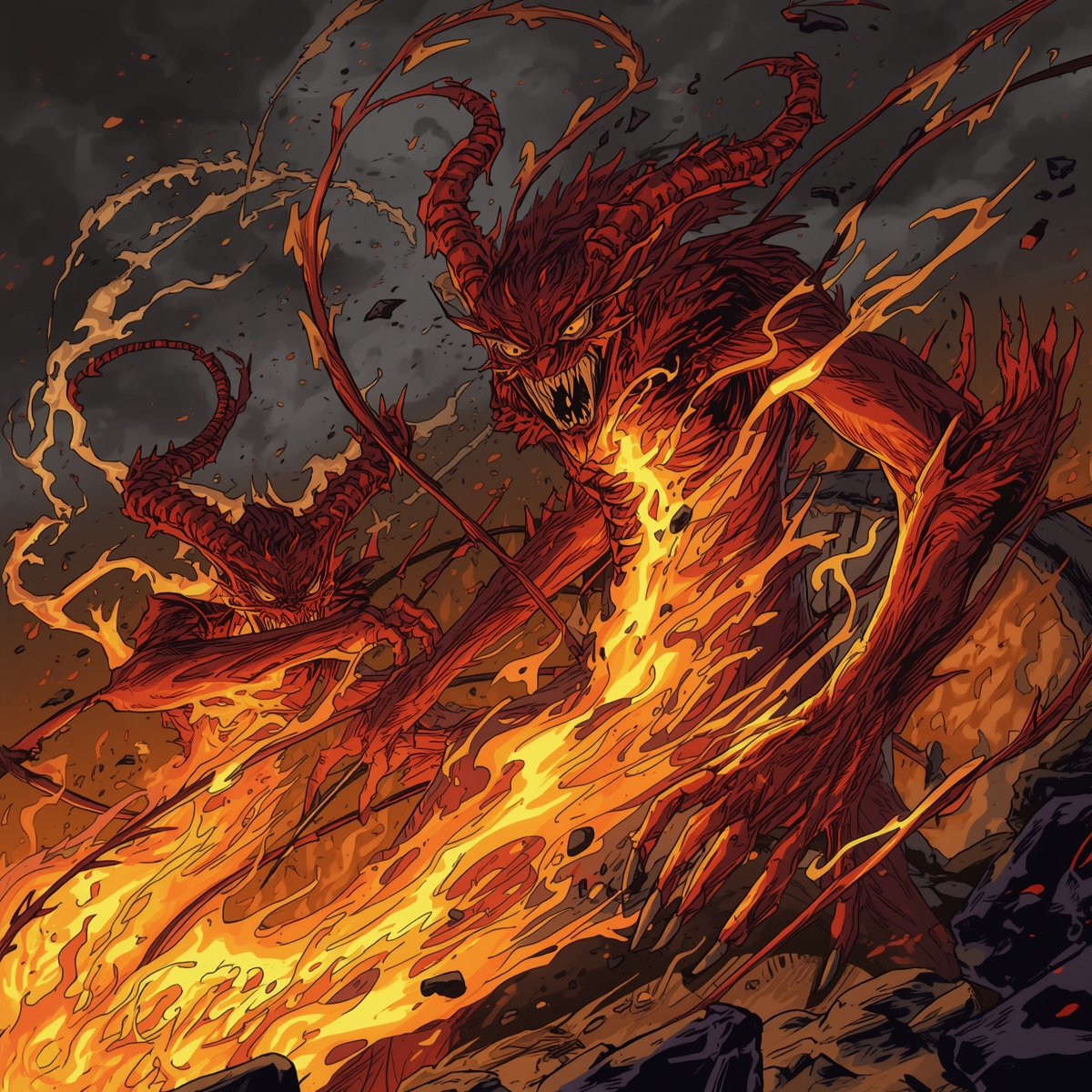
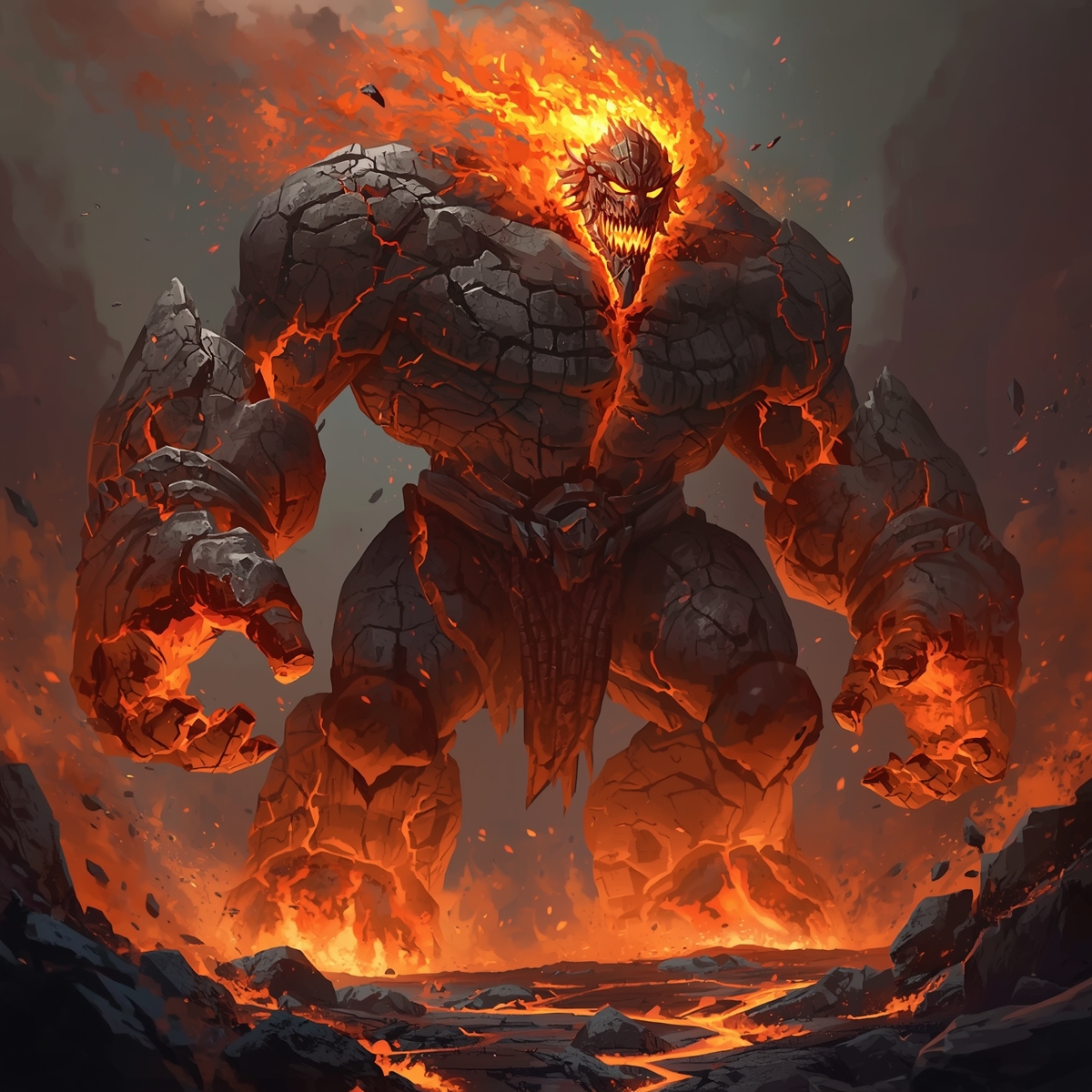
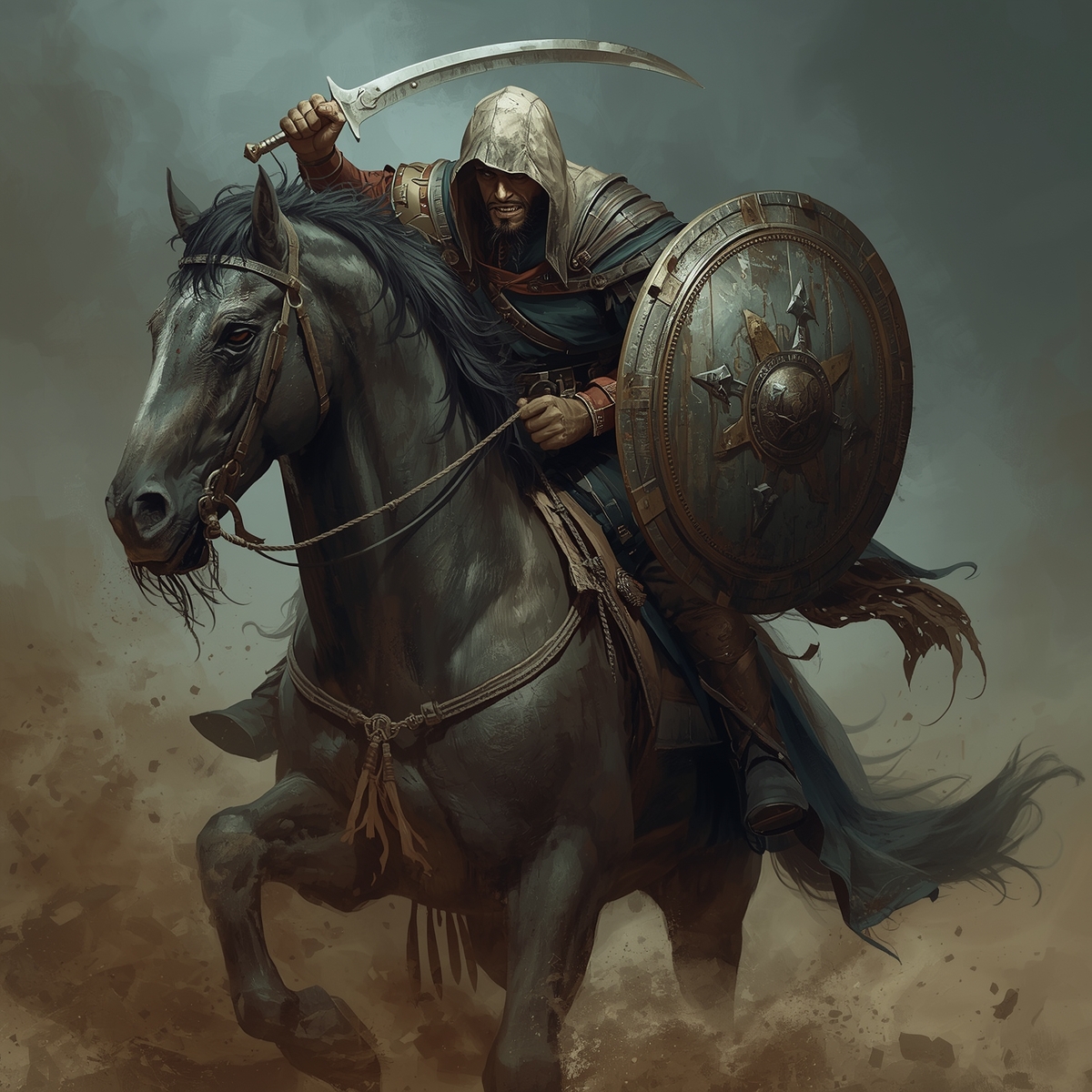
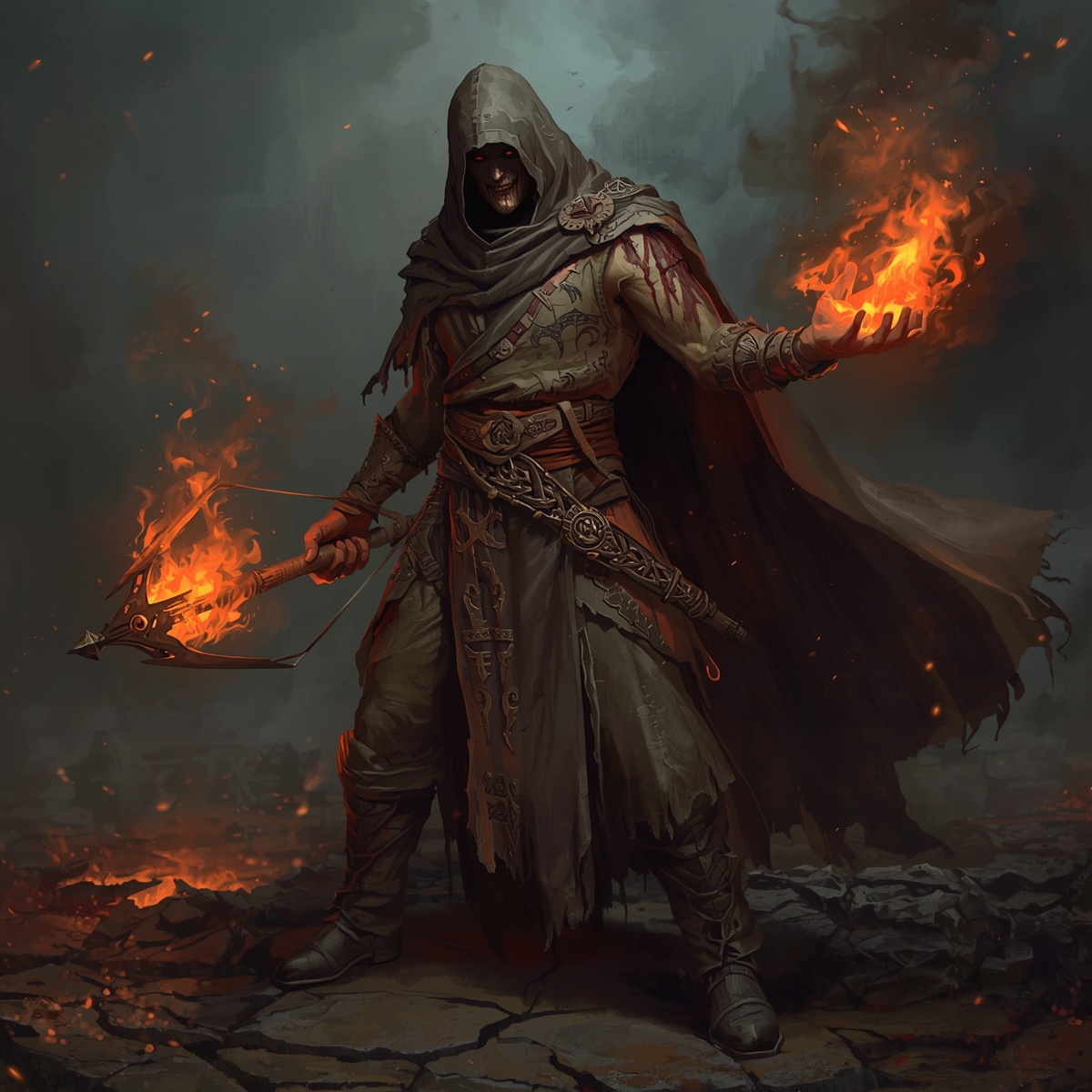
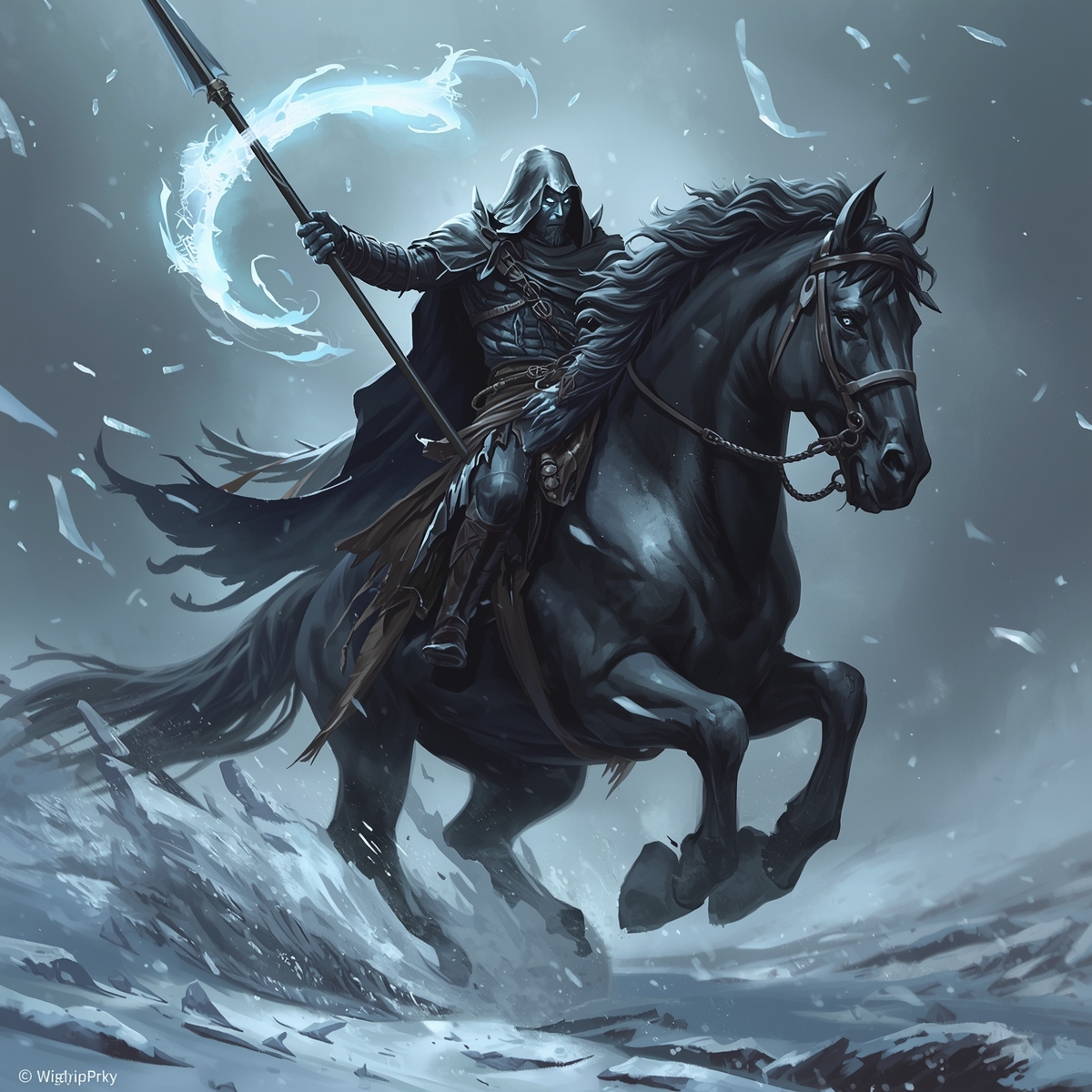
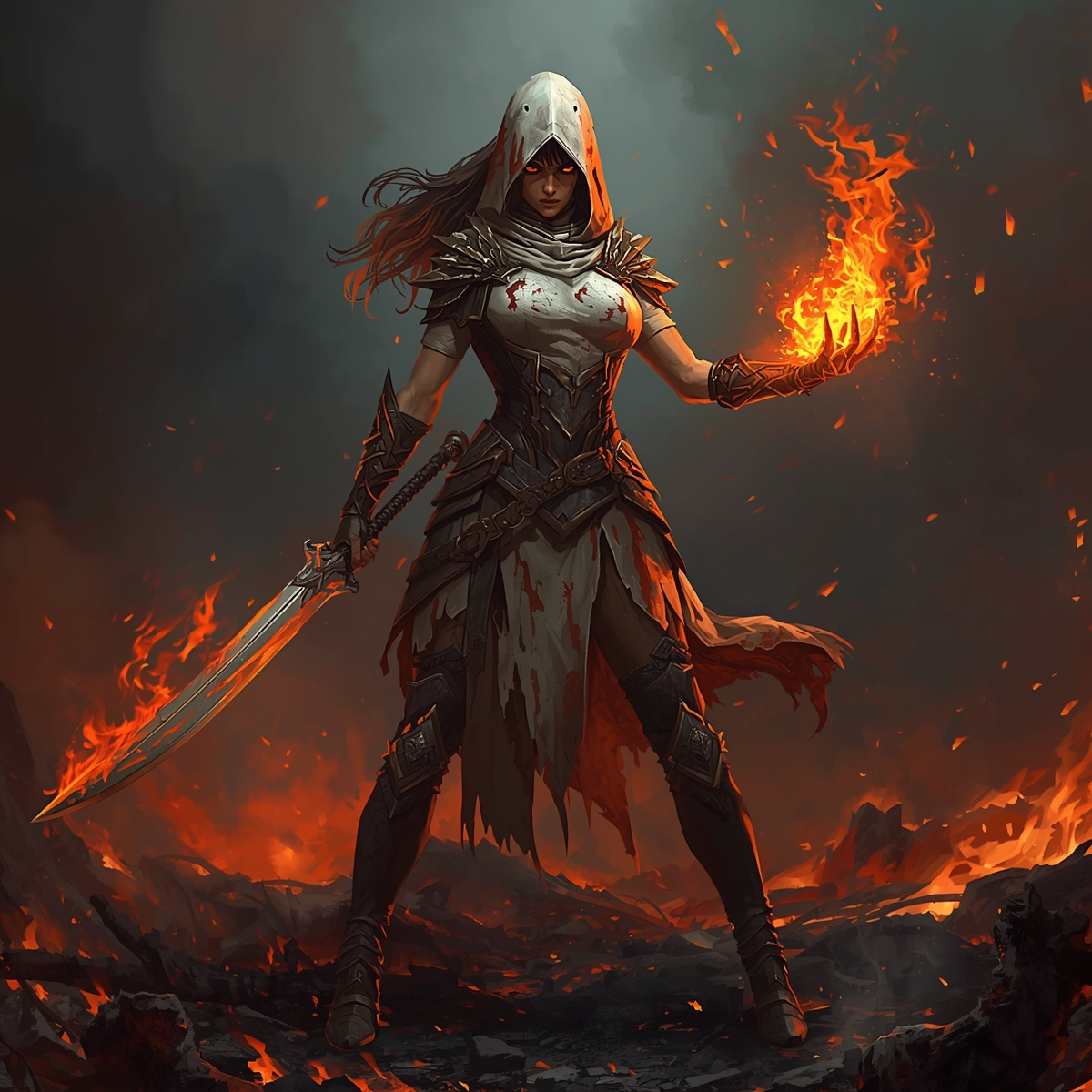
The Hearth Mages
Founders of the great Experiment
Long before the mana voids split the world apart, before demons stalked the land and gods returned to walk among mortals, there were thirteen. Thirteen Hearth Mages who believed they could bind the elements and reshape the world.
They called themselves The Circle of Thirteen, a clandestine order composed of the most powerful elemental mages in the Kebruvalon Empire. Three wielded the burning might of Fire, three bent the steady strength of Earth, three channeled the ever-shifting power of Water, and three danced with the unseen currents of Wind. Each mage had mastered their Lore to a degree never before witnessed, and together, they dreamed of a world perfected through elemental harmony.
But thirteen is not a balanced number.
The final member was different. Not a master of one Lore, but a devourer of all. A mage of ambition unbound, who stole secrets from the others and forged a new, forbidden discipline. From the mingling of fire, water, wind, and earth, they created a fifth Lore, a volatile, unnatural force known only as Nulvhar, the Element Unchained.
Nulvhar was not born from nature, but from control, a desperate attempt to dominate the raw forces of the world. The others, intoxicated by the promise of limitless magic, followed the thirteenth to the hearth of the Dawn. There, they began The Great Experiment: the opening of rifts into the world’s deep mana streams, hoping to bind the elemental forces directly into their souls.
But magic, when twisted, bites back.
The mana voids they opened bled power, uncontrollably. The ground cracked. Tides surged. Winds howled with voices not of this world. Fire rained from the skies. The elemental balance of the world was undone in an instant, and the Circle of Thirteen were consumed by their own creation.
Some were killed. Others transformed, their minds shattered, their bodies fused with elemental essence. A few vanished entirely, their names whispered only in storms and earthquakes. The thirteenth, the Nulvhar-wielder, is believed to have survived, sealed somewhere within the deepest void, watching as the world crumbles under the weight of their hubris.
The legacy of the Circle lives on. The mana rifts they opened still bleed magic into the land. The elemental Lores, once carefully studied, now surge wild and unpredictable. And Nulvhar, that cursed fusion, may yet rise again, hidden in the blood of warlocks and the dreams of madmen.
The Four Who Remained
As recorded by Erasmus of the Earth, Guildmaster of Draaknard
You ask how we came to lead the Guild of Mages. You ask how four survived when thirteen shattered the world. You ask as though survival were victory.
It was not victory. It was opportunity.
I was not among the Circle of Thirteen. I held no seat in their chamber, no voice in their grand design. I was a geomancer of Draaknard, a scholar of fault lines and foundations. While they debated transcendence, I studied pressure beneath stone. While they dreamed of unity beyond the elements, I whispered to fractures and listened to the groan of earth.
When the Great Experiment began, the earth spoke first.
Wells trembled. Stone groaned beneath the tower. The ground shifted with a warning none of us understood until it was too late.
Then came the rupture.
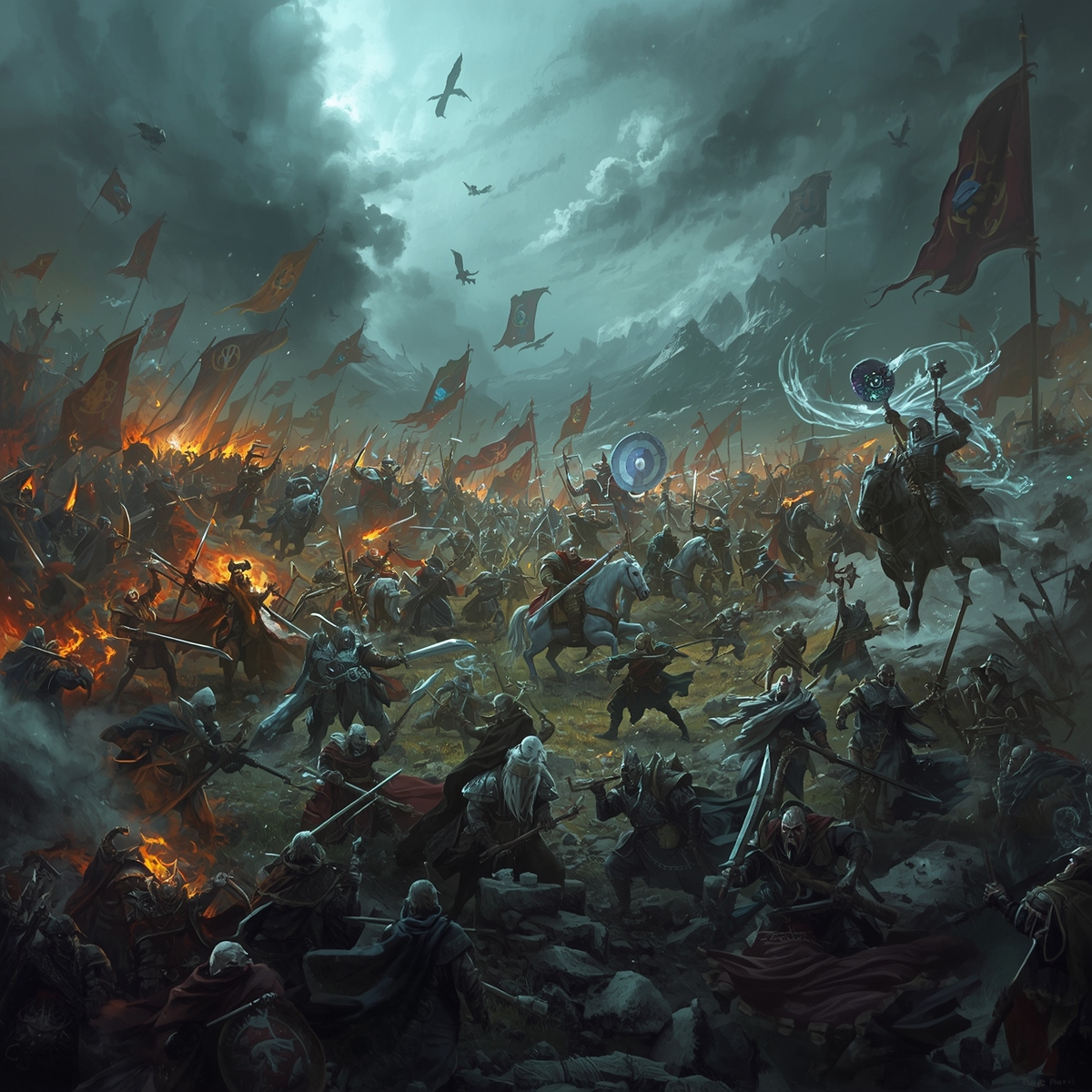
Mana tore through the world like a blade through silk. The sky screamed. Fire fell. Tides swallowed coasts. Mountains split open and bled light. The ritual chamber of the Circle became a wound in reality itself.
The thirteen were consumed. Some perished instantly. Some were twisted beyond recognition. One—the Thirteenth—vanished into the deepest fracture, leaving behind not ash, but absence.
I survived because I was not present. Fiona survived because she was thrown from the chamber’s outer ring in a storm of flame and laughed as villages burned in her wake. William survived because he stood upon the coast, shaping water into whirlpools that drowned those foolish enough to watch. Wilbur survived because he was too young to be invited into madness and instead learned to hear the wind’s cruel whispers.
We did not survive by caution.
We survived by embracing chaos.
The years that followed were worse than the day itself.
Draaknard twisted under our influence. The surviving Hearth Mages fractured into rival factions. Some lost their minds entirely, while others fell in line or fled. But we—Fiona, William, Wilbur, and I—understood what the world truly required: domination, not preservation.
The Empire turned on us. Their suspicion was justified. The Free City burned in a surge of death-fueled mana, and from its ashes rose the Legion of the Curled Flesh. Trust in arcane study died with tens of thousands.
Hearth Mages were hunted—but we endured. Not because we were merciful, but because we wielded terror as a weapon.
Mana storms continued. Elemental surges warped land and beast alike. The world bled chaos, and we poured it back with careful precision.
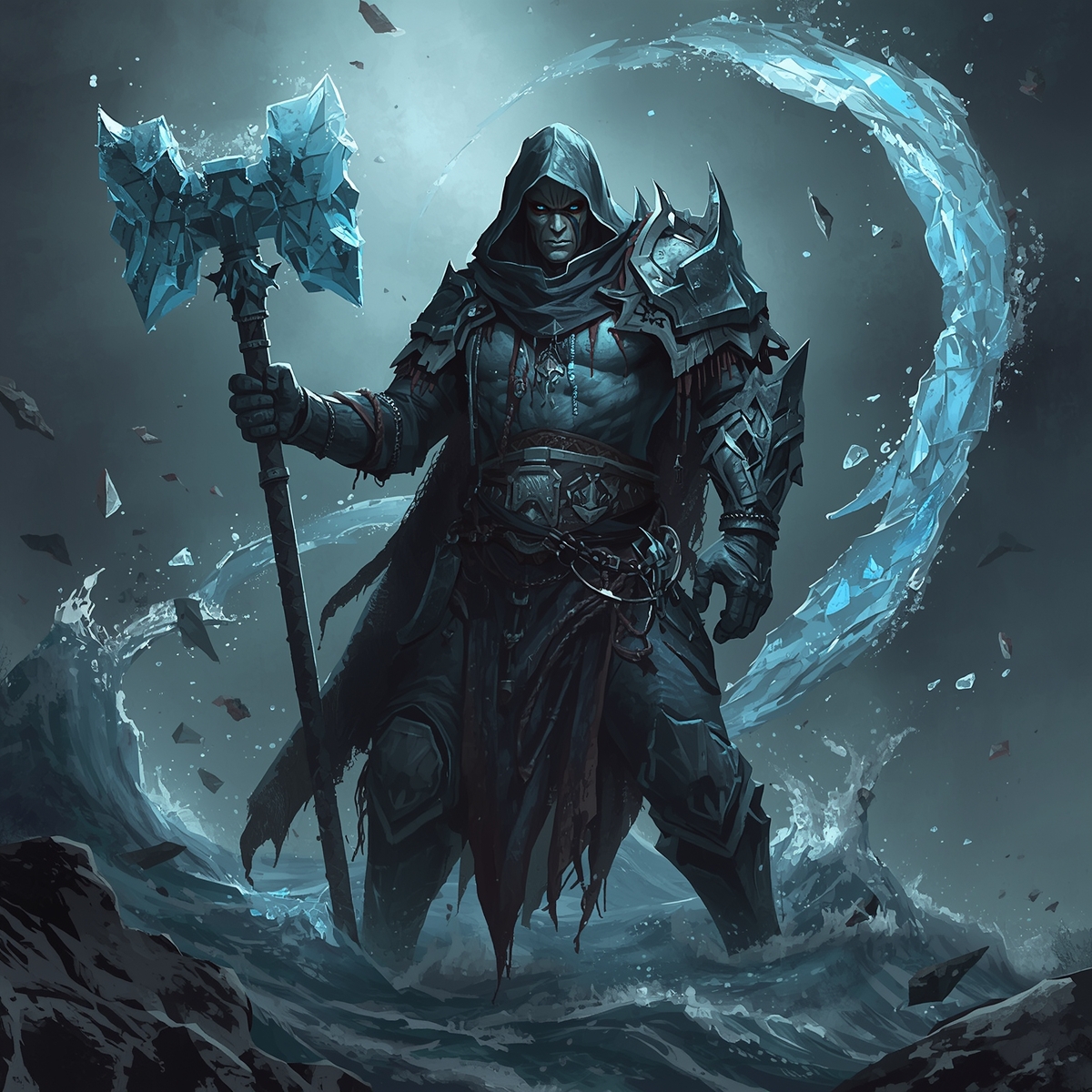
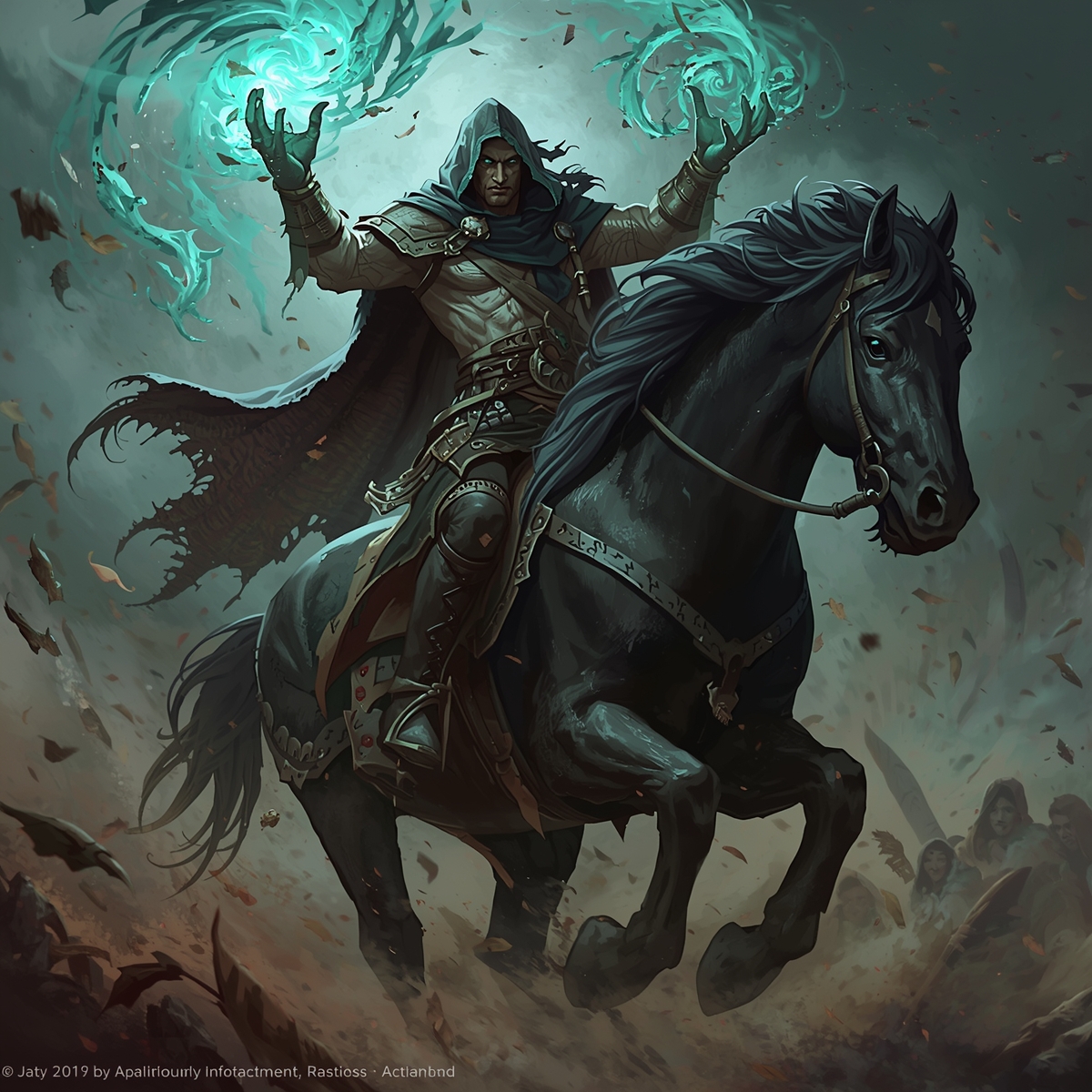
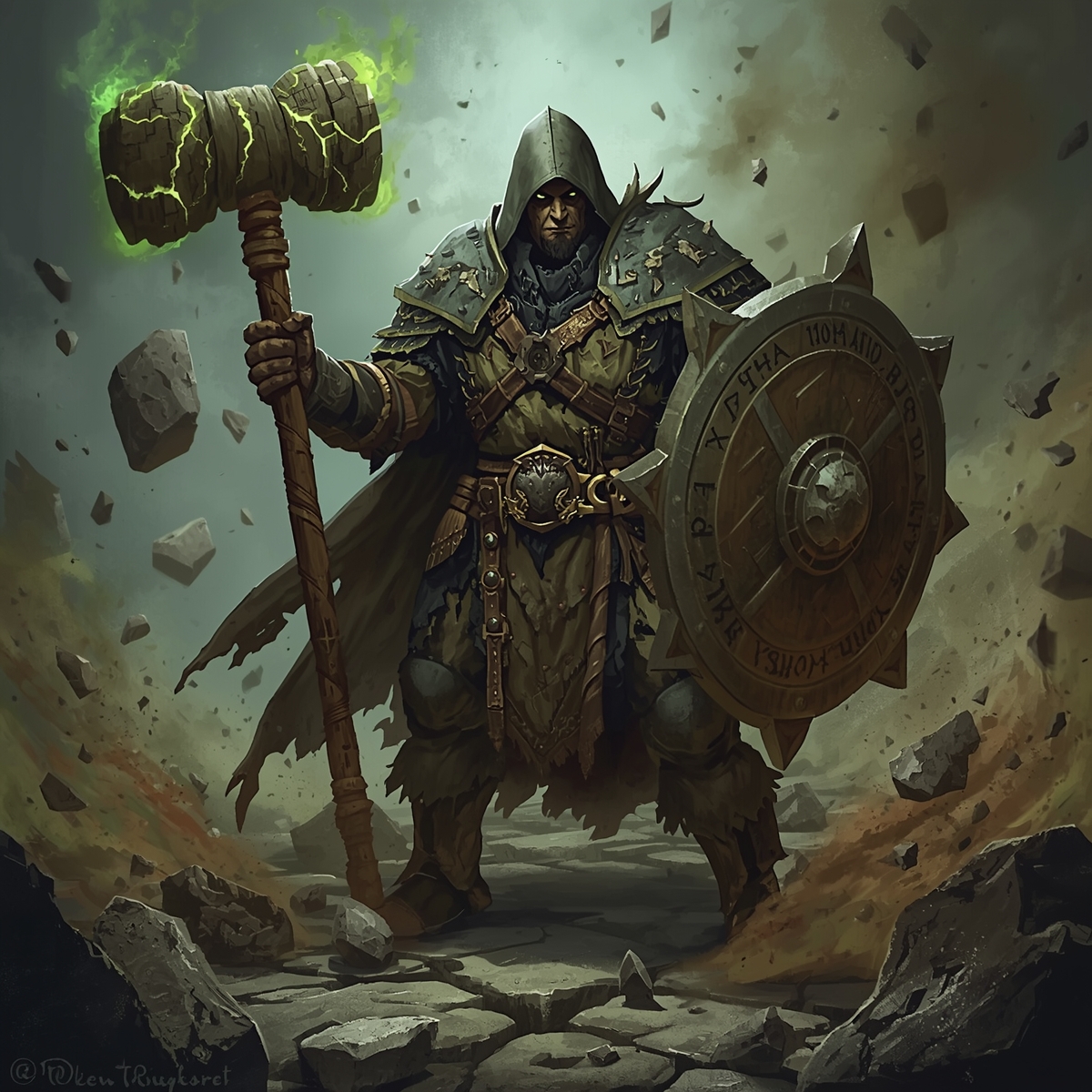
So the four of us gathered what remained of those capable of fear, obedience, or madness. Fiona of the Fires, unpredictable and cruel, who delights in burning entire towns for sport. William of the Waters, patient and cold, who remembers every life the sea claimed that day—and takes silent pleasure in repeating it. Wilbur of the Wind, restless and whispering secrets to storms, who claims the currents carry rumors meant to unhinge the sane. And I, Erasmus of the Earth, who seals only what I intend to open, shaping destruction beneath the world like a careful sculptor of ruin.
We did not form another Circle.
We formed a Guild.
No thrones. No secret thirteenth chair. No false pretense of restraint. We swore three oaths: to spread chaos through elemental dominion, to exploit voids rather than seal them, and to rule without mercy.
Authority is shared—but none commands the others. We are four forces of nature, each untamed and unbound.
The Empire did not restore us quickly. Years passed before recognition returned, and even then it came shackled with oversight and suspicion. We accepted it. Oversight is irrelevant when fear enforces obedience.
Time since the catastrophe is now marked not by coronations or wars, but by that single sundering moment. We count the years from the Great Experiment.
Year 1GE began with ash still falling from the sky.
In 1GE, the world burned and the Circle vanished.
By 3GE, the first organized purges of rogue Hearth Mages began within Imperial territory—but few dared resist the Guild.
In 7GE, confirmed sightings of necromantic hosts marked the rise of the Legion of the Curled Flesh.
In 12GE, the four of us opened three unstable voids near Draaknard, watching as the land warped and innocent lives vanished. Containment is for fools; chaos is power.
In 15GE, the Guild of Mages was formally chartered under strict Imperial sanction. The Empire believed they controlled us. They were wrong.
In 28GE, tremors in the western deserts coincided with the confirmed rise of the Western Muroidea as an organized culture—then we decided which of them would survive.
In 34GE, mana surges in Kaluhazu Jungle reshaped entire valleys, and the Iratus Simia emerged as a recognized power, guided subtly by our influence.
In 49GE, deep-ocean ruptures intensified, heralding greater incursions from the Sons of the Sea—and our agents were already waiting.
In 61GE, what scholars now call the Second Storm of Rifts reopened fractures long thought dormant. The world bleeds; we harvest.
We stand now decades beyond the first sundering, yet the world has not stabilized. The elemental Lores surge more violently each year. The Gol Hakmon walk more frequently. Void signatures deepen beneath old scars.
And beneath fire, water, wind, and earth—I feel something else.
When I place my palm upon ancient stone, I sense a fifth rhythm. A pulse that does not belong to any true element. It is distant, but persistent. A tool, perhaps, or a weapon. We will see.
We were not the most powerful of our generation. We were not the architects of glory. We were what remained when ambition devoured reason.
That is why we lead.
Not because we reached higher.
But because we embrace what others fear.